
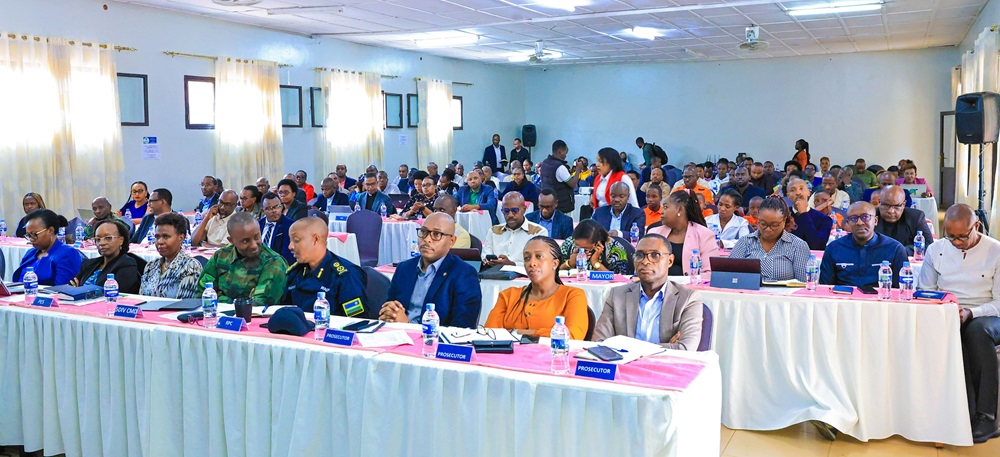
District leaders in Eastern Province have been urged to strengthen collaboration with communities to accelerate efforts to eliminate child stunting.
The National Child Development Agency (NCDA) says closer monitoring of pregnant women and regular home visits to households where malnourished children have been identified are essential to understanding and addressing the root causes of the problem.
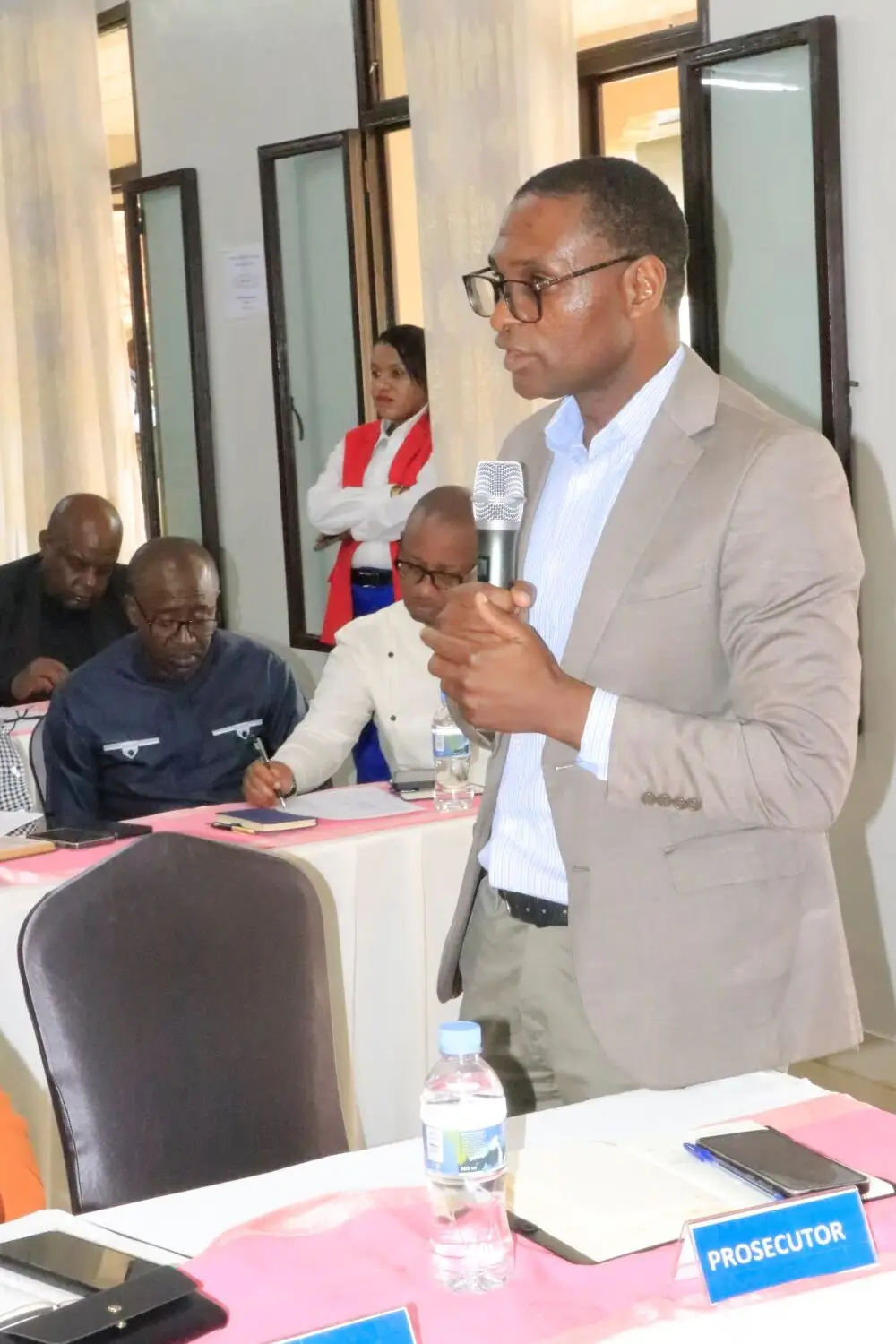
The call was made by NCDA Director General Ingabire Assumpta during a provincial high-level consultative meeting on stunting reduction and gender accountability held on February 4, 2026.
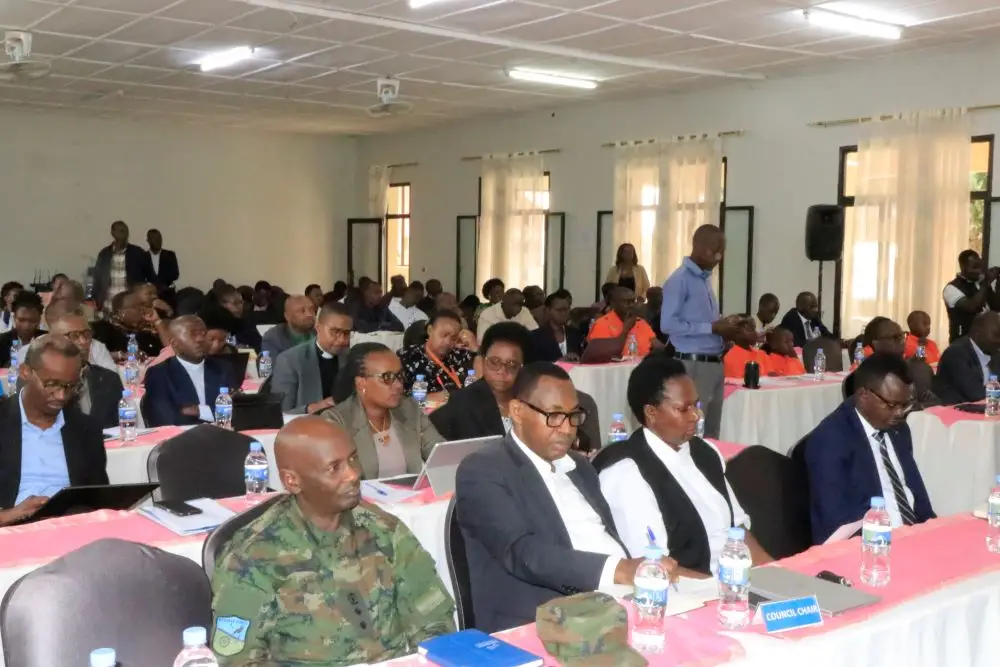
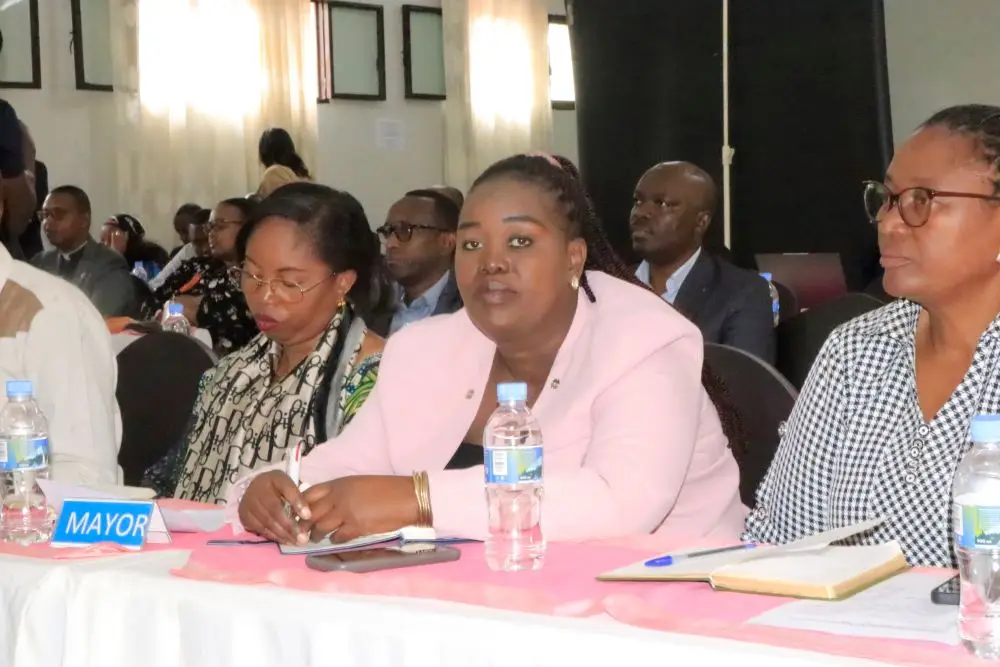
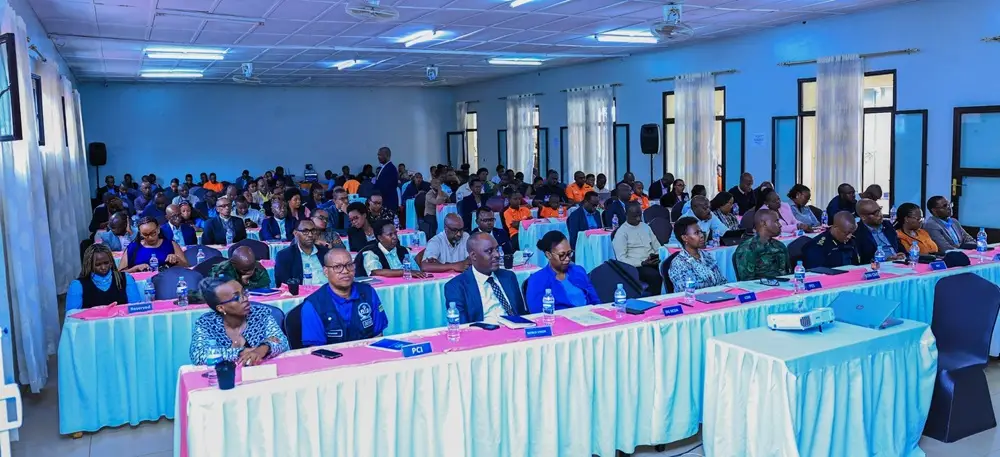
The meeting brought together local leaders and development partners from across the province.
Ingabire noted that while some districts have reduced stunting rates through proactive interventions, others have made little or no progress, partly due to limited attention given to the issue.
“One of the major causes we observe in districts where stunting levels remain unchanged is the lack of sufficient commitment from some leaders,” she said.
“In some cases, the issue is not treated as a priority responsibility, and there is limited follow-up on the implementation of related programmes. If institutions worked closely with communities and explained these issues directly to residents, the problem could be addressed more effectively.”
She called on leaders and partners across sectors to coordinate efforts, particularly in monitoring children suffering from malnutrition and supporting the health and well-being of pregnant women.
“We need to combine efforts with partners so that each stakeholder understands how they can support communities,” Ingabire said.
“When children are screened and some are found to be malnourished, follow-up visits should be conducted at their homes to identify the root causes and provide support. It is also essential to monitor the living conditions of pregnant women because stunting often begins while the child is still in the womb.”
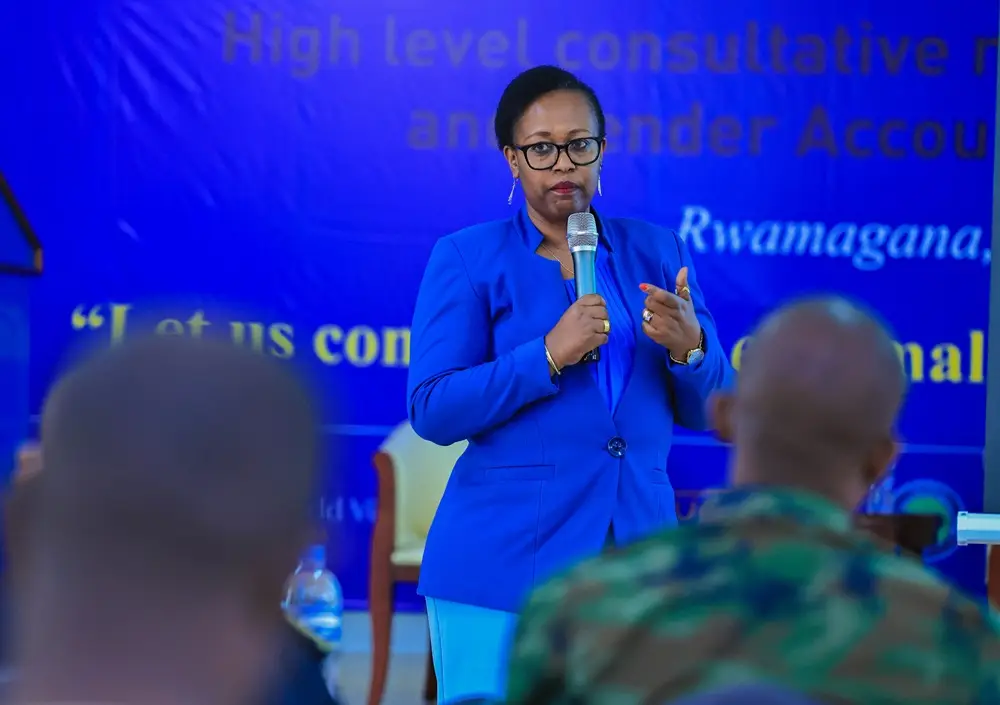
The meeting, attended by more than 160 participants, followed a similar consultative meeting previously held in the Northern Province.
These engagements, organised by the Provincial Authorities in partnership with World Vision Rwanda and CLADHO through the ENOUGH Campaign led by World Vision, aim to contribute to ending child malnutrition and stunting under the NST2 framework.
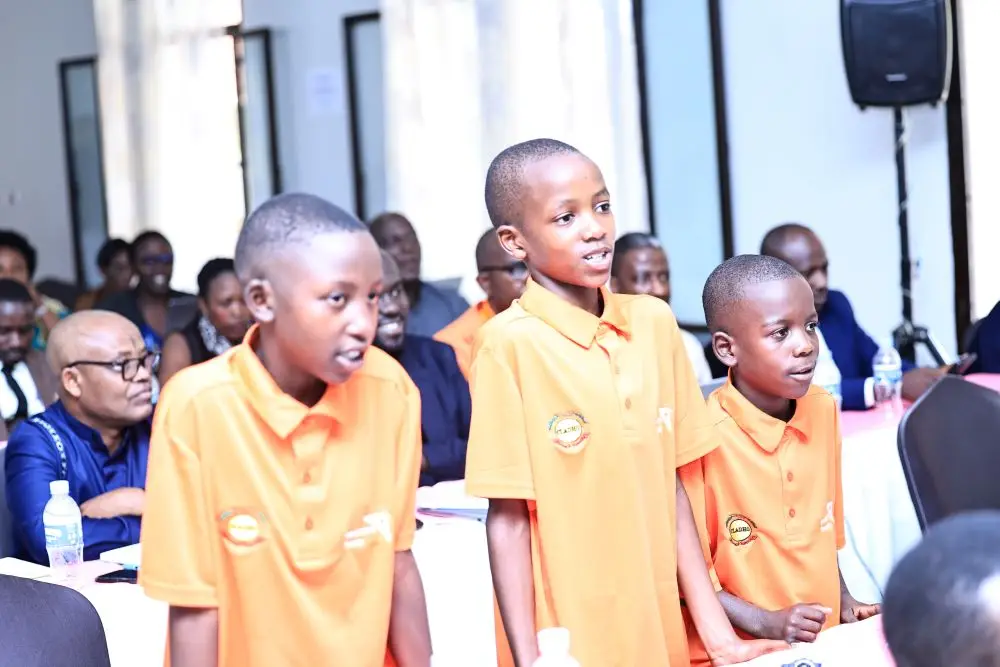
CLADHO Head of Programs, Murwanashyaka Evariste said empowering children themselves can also play a role in addressing malnutrition and stunting in communities.
“In partnership with and with the support of World Vision Rwanda, we are currently undertaking capacity-building initiatives for children through school-based clubs and child committees, which are actively involved in awareness campaigns and monitoring various issues, including school feeding programmes,” he said.
“We chose to strengthen children’s participation to see the impact it can generate. A child who understands the dangers of stunting can help educate others and report related challenges. This will also help raise a generation that is better equipped to prevent stunting.”
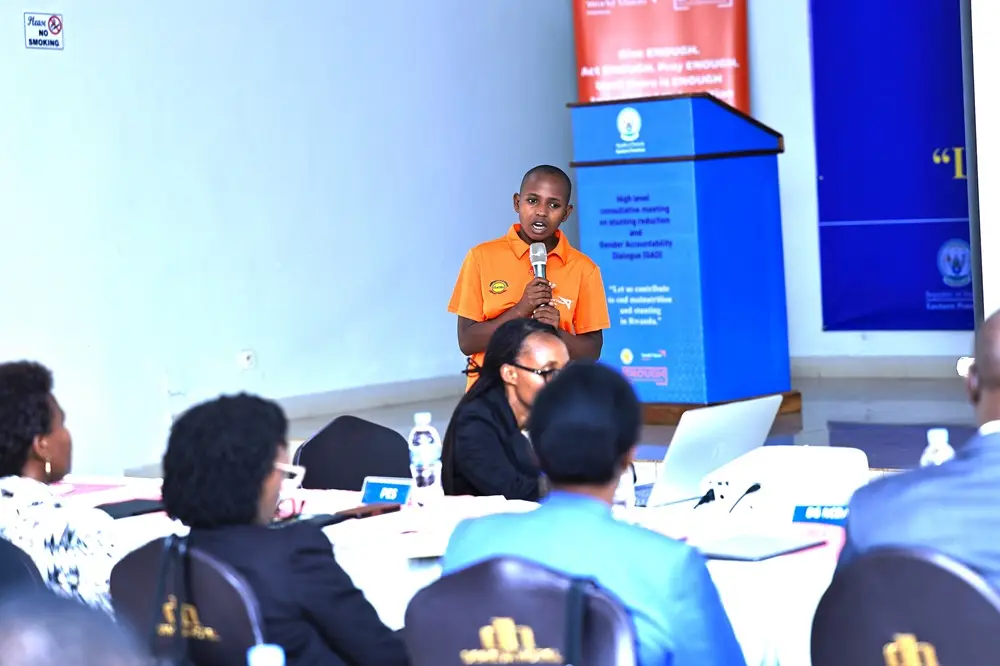
World Vision Rwanda said it will continue partnering with Eastern Province to combat stunting through initiatives focused on sanitation, hygiene and access to clean water.
Particular attention will be given to Nyagatare, Kayonza and Gatsibo districts, as well as Mahama Refugee Camp.
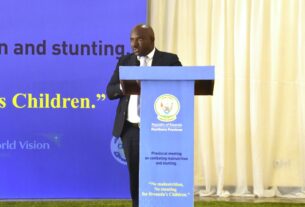
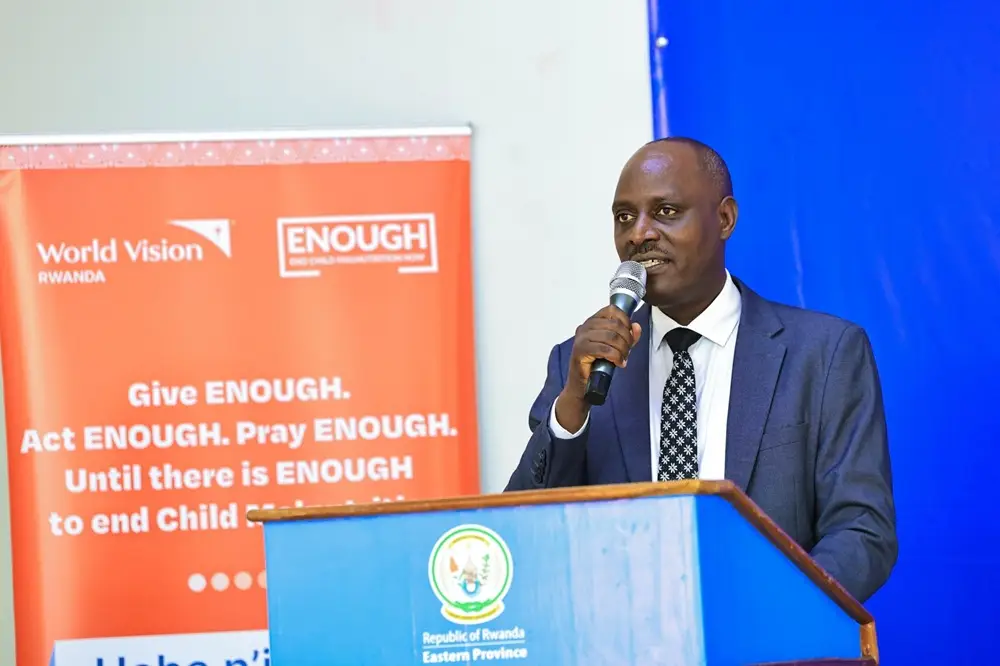
Speaking at the meeting, World Vision Rwanda’s Strategy and Programs Quality Director, Patrick Nsenga Sebagabo, said the organisation plans to expand its programmes under its 2026–2030 strategy.
“Under World Vision’s 2026–2030 strategic plan, we aim to reach at least 2.5 million children across the country with programmes that improve their well-being,” he said.
“This will be achieved through collaboration with districts to tackle malnutrition and stunting among children under five. We will also work with the Ministry of Family Promotion to address teenage pregnancies and support the care of pregnant and breastfeeding mothers.”
He added that the organisation plans to expand access to clean water and sanitation services to more than 1.7 million people nationwide.
Data from the National Institute of Statistics of Rwanda show that Kirehe District currently has the highest rate of child stunting in Eastern Province at 31.7 per cent, while Rwamagana District records the lowest rate at 19.2 per cent.
Meanwhile, Ngoma District has recorded one of the most notable improvements in the province, with stunting dropping from 37.3 per cent in 2020 to 26.9 per cent today.